 Get Care
 MyCovenantHealth Portal
- Find a DoctorDoctors by Specialty
- Cardiac Electrophysiology
- Cardiology
- Colon & Rectal Surgery
- Family Medicine
- Gastroenterology
- General & Vascular Surgery
- Gynecological Oncology
- Gynecology
- Infectious Disease
- Internal Medicine
- Interventional Cardiology
- Interventional Radiology
- Nephrology
- Neurology
- Neurosurgery
- Obstetrics & Gynecology
- Oncology
- Oncology & Hematology
- Orthopedic Surgery
- Otolaryngology
- Perinatology
- Psychiatry
- Pulmonary Medicine
- Radiation Oncology
- Rheumatology
- Sleep Medicine
- Thoracic Surgery
- Urology
- View All Doctors
- Our ServicesMedical Services
- Bariatric Services
- Behavioral & Mental Health
- Breast Care
- Cancer Care
- Critical Care
- Ear, Nose, & Throat
- Emergency Services
- Gastroenterology
- Glossary
- Heart Care
- Home Care
- Hospice & Palliative Care
- Imaging & Diagnostics
- Long-Term Care
- Nephrology
- Orthopedics
- Primary Care
- Rehabilitation Therapies
- Robotic-Assisted Surgery
- Sleep Services
- Spine Care
- Stroke Care
- Surgery Services
- Telehealth Services
- Urology
- Urgent Care
- Virtual Urgent Care
- Women’s Services
- Wound Care
- Our Locations
- Patients & Visitors
- About Us
 Back to Covenant Health Home
 Get Care
 Schedule an Appointment
 Pay a Bill
 Careers
 Contact Us
 Log In to MyCovenantHealth
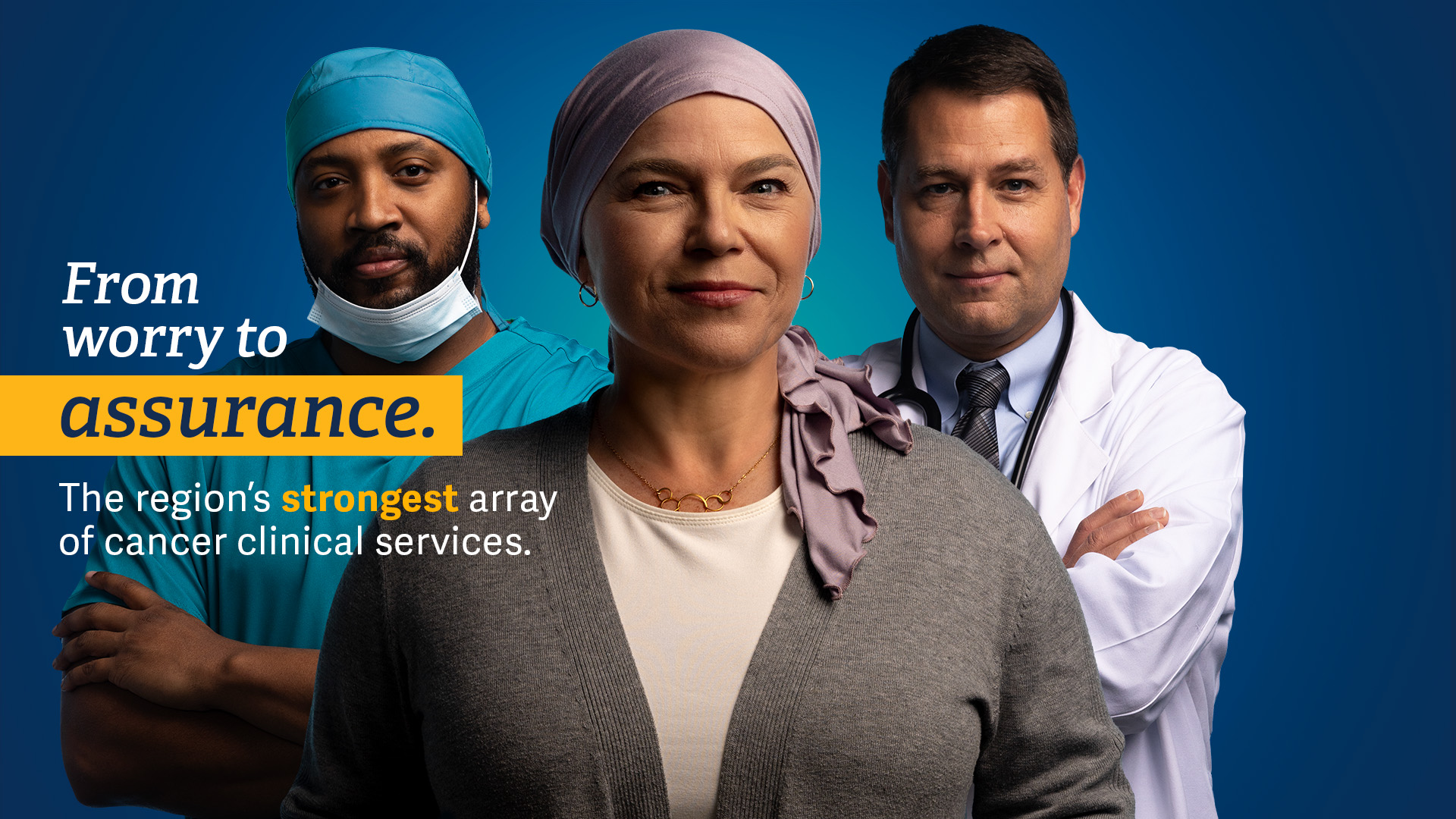
Covenant Health provides the region’s most comprehensive cancer care. From board-certified oncologists to clinical trials at the forefront of cancer research, to your own personal nurse navigator, you’ll have a dedicated support team every step of the way.
View Cancer Services
Convenient Care When You Need It
Covenant Health Urgent Care in South Knoxville is open 7 days a week from 8 a.m. – 8 p.m.
Save your spot.A National Best Employer
Covenant Health has earned national recognitions as a best employer for women, diversity, job starters and more.
Schedule an Appointment
Find a Doctor
Find a Location
Volunteer Opportunities
Make a difference at one of our member organizations!
Virtual Care and Telehealth
Technology that enhances patient care
Covenant News
Stay up-to-date on our latest news.
Welcome to Covenant Health
Our Story
The region’s top-performing healthcare network and the area’s largest employer.
Headquartered in Knoxville, Covenant Health is a community-owned integrated healthcare delivery system dedicated to improving quality of life through more than 2 million patient encounters.
Patient Tools
Get started with some of our online patient tools.
Free assistance is available for patients and their companions who are deaf or hard of hearing. Learn More


Inside Covenant Health

America’s Greatest Workplace for Job Starters
Covenant Health has been recognized by Newsweek as one of “America’s Greatest Workplaces for Job Starters.”

Covenant Health Chief Medical Officer Earns National Recognition
Dr. Mandy Halford, Covenant Health’s chief medical officer, was recognized on Becker’s Hospital Review’s list of “180 Hospital and Health System CMOs to Know.”

Fort Loudoun Medical Center Breaks Ground on Expansion
The Brethen Foundation Advanced Care Wing will add 26 beds for intensive and intermediate care.
News & Articles


















news — Apr 22, 2024
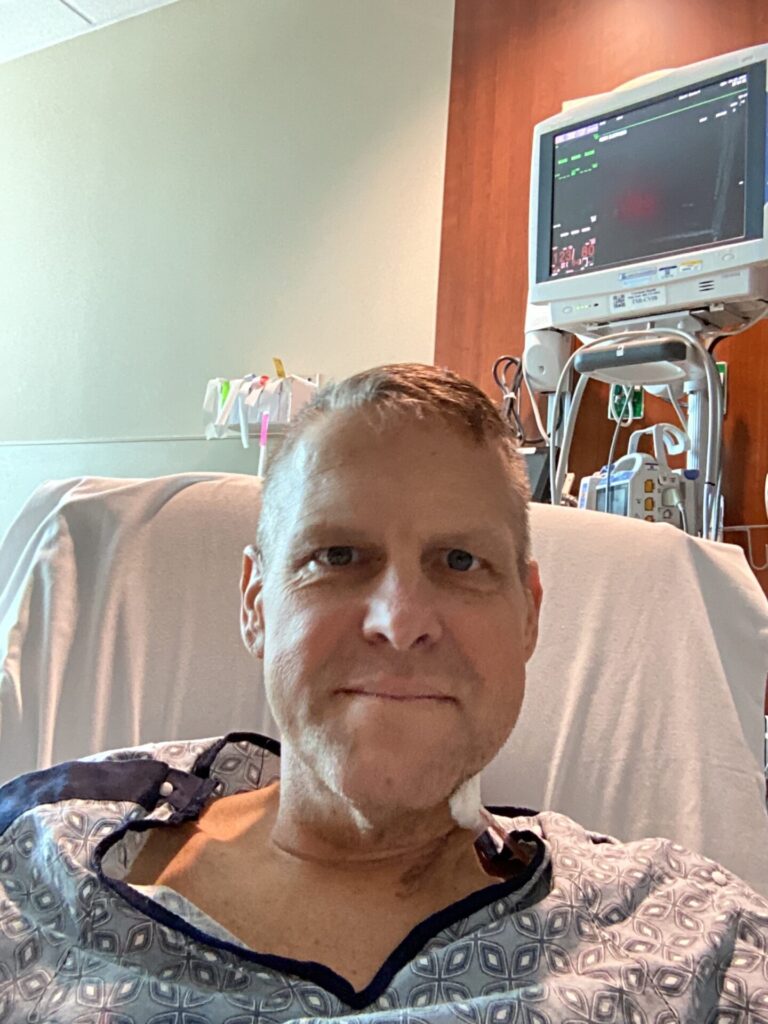
Excellent Cancer Care, Exclusive Clinical Trials

news — Apr 17, 2024
Methodist Medical Center Offers New ER Call-Ahead Service
blog — Apr 12, 2024
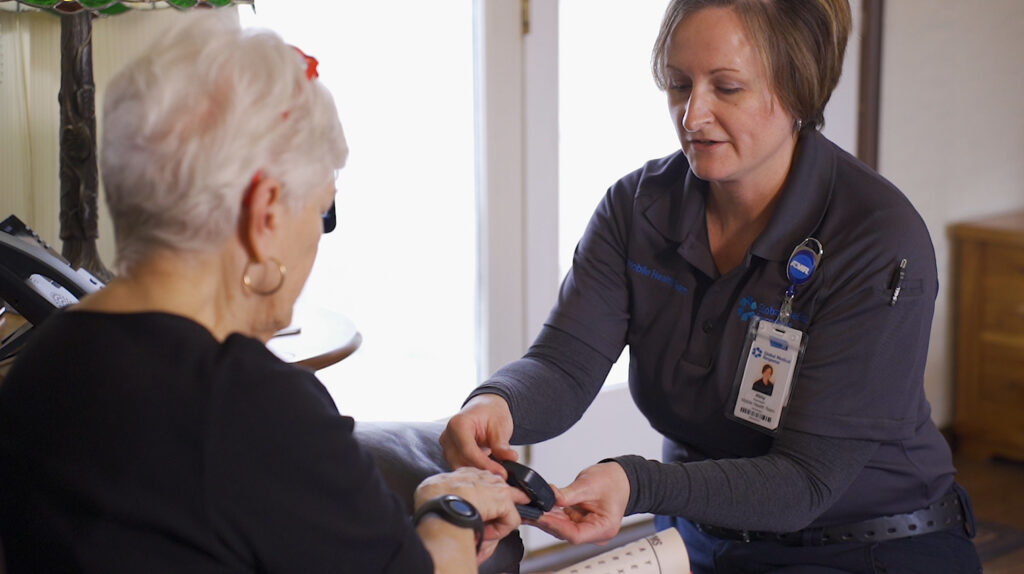
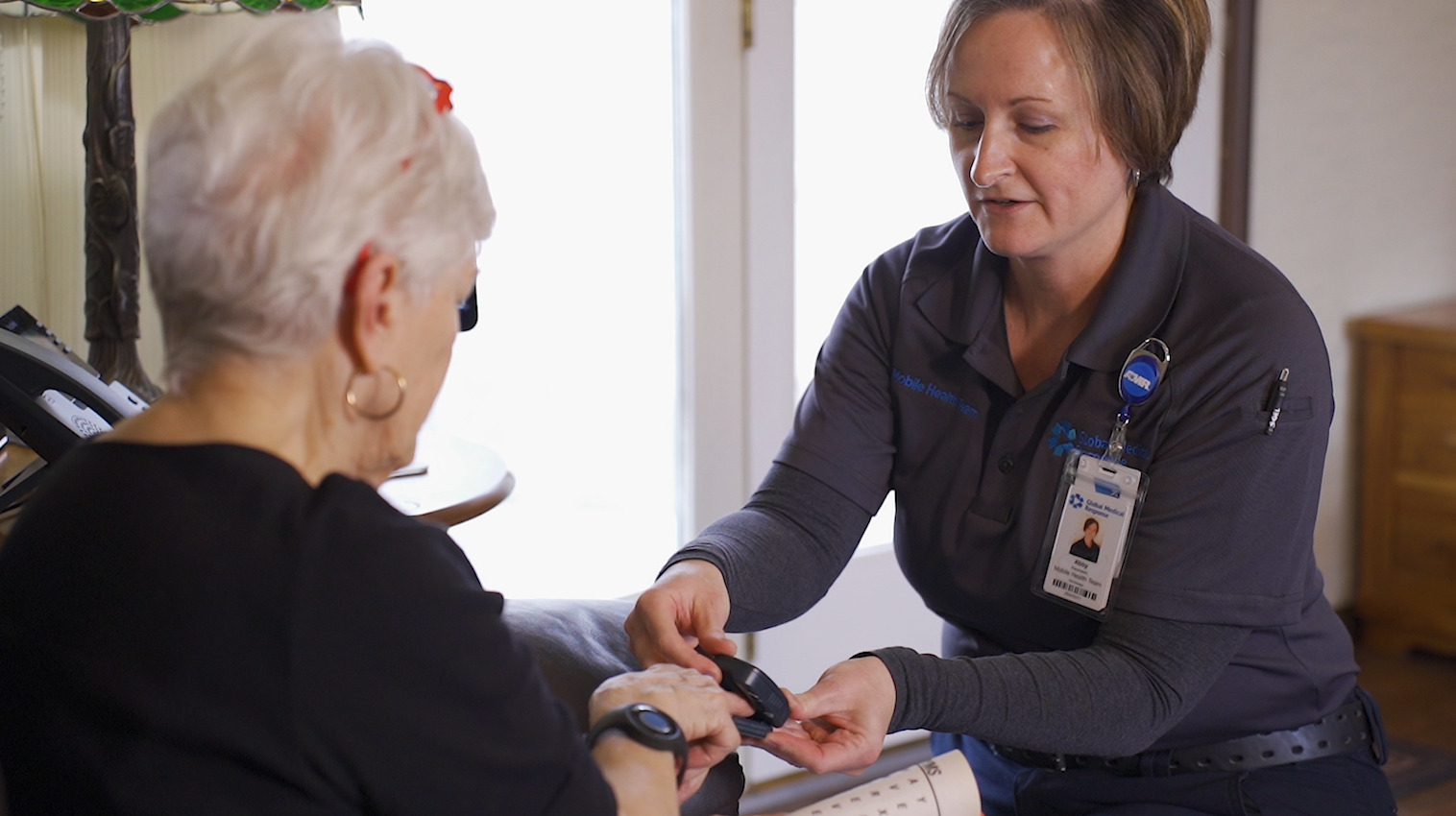
Advanced Care at Home Program Helps Knoxville Woman Heal After Surgery
news — Apr 11, 2024
Covenant Health CMO Honored by Becker’s Hospital Review
Excellence in Health Care
Headquartered in Knoxville, Covenant Health is a community-owned integrated healthcare delivery system, dedicated to delivering the right care in the right place at the right time for our 2 million+ patient encounters each year.